The Room That Says When It's Done: Inside a 2026 Delivery-QC Crunch
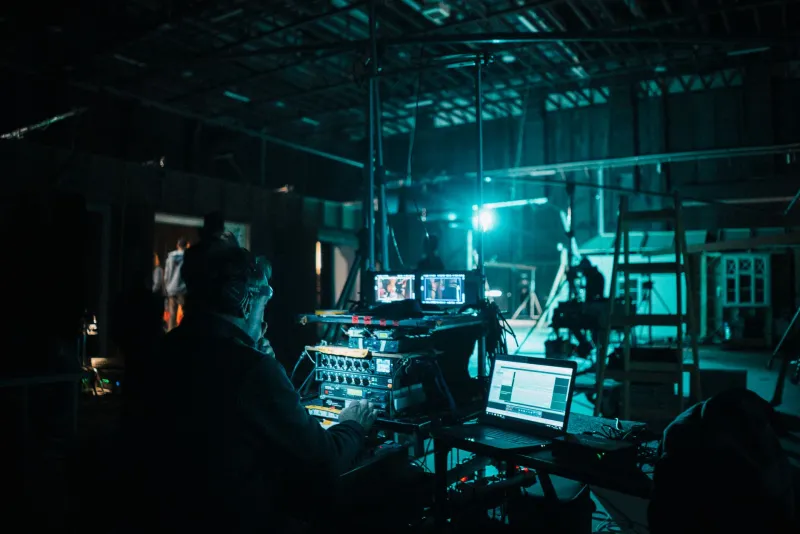
The first thing you notice in a delivery-QC bay is the quiet. Not silence—there's always the low hum of a machine room next door and the click of a timeline being scrubbed—but a specific, focused quiet. It's 9:40 a.m. on a Tuesday in early November 2026, and the bay is eleven days out from a streaming premiere that has already been marketed, clipped, and argued about online. The show is done. Except it isn't.
Maya, a QC operator who has spent the last six years bouncing between Burbank post houses, pulls up a delivery spec on her second monitor. It's forty-one pages. She scrolls past the loudness targets, the subtitle timing rules, the safe-area diagrams, and lands on the section she calls "the part nobody reads until it's too late." Then she starts the first pass.
What Delivery QC Actually Checks
If you've ever wondered why a show can look finished in a trailer and still miss its premiere date, the answer usually lives in a room like this one. Delivery QC—quality control—is the final technical shakedown before a finished episode gets handed to a streamer, a broadcaster, or a distributor. It's not creative notes. It's not a focus group. It's a frame-by-frame, stem-by-stem, file-by-file audit against a checklist that no viewer will ever see.
The list is long. Video levels and color space. Black frames where black frames shouldn't be. Flash frames that could trigger photosensitivity issues. Audio stems that need to match the approved mix down to the decimal. Subtitle files that must land on the right frame, every time, in every language. Metadata that has to match the title ID, the season number, the episode number, and the delivery date. One wrong character in a filename can bounce a master back across town.
"People think QC is just watching the episode," Maya says. "It's not watching. It's scanning. You're looking for things the eye isn't supposed to catch."
On this morning, the scan catches a three-frame flash in the opening recap. It's not a creative problem—it's a technical one, likely introduced during a last-minute color pass. Maya flags it, timestamps it, and sends it to the post producer. Then she moves on to the audio stems, where a dialogue stem is running two-tenths of a decibel hot against the approved mix. It's the kind of thing no viewer would ever notice. It's also the kind of thing that can hold up a delivery.
The Last-Minute Fix Economy
By 11 a.m., the bay has received four new files from the production side. A revised subtitle file for episode two. A replacement visual-effects shot for episode five. A new end-credit crawl for episode six, because a name was spelled wrong. And a note from a producer asking if a fix from last week's QC pass can be "rolled into the same delivery" to save time.
This is the rhythm of a 2026 delivery sprint. Streaming schedules have compressed, and the window between "picture lock" and "premiere" has become a negotiation between marketing calendars and technical reality. Producers keep sending fixes because they can. QC teams keep scanning because they have to. The result is a loop that can run right up to the deadline—and sometimes past it.
"The hardest part isn't finding the error," says a delivery supervisor who asked not to be named because she's mid-crunch on two other shows. "It's finding the error after someone has already told the streamer the show is done. Then you're not just fixing a frame. You're managing a relationship."
That relationship work happens in email threads and Slack channels, not on set. A QC flag goes out. A producer pushes back. A post house confirms the fix is in progress. A delivery coordinator checks the clock. Everyone knows the premiere date isn't moving. The only question is whether the file will be ready in time.
Why Nobody Sees the Checklist
The checklist itself is a strange document. It's part technical manual, part insurance policy. Streamers publish their delivery specs, but the specs change. A loudness target that was fine last year gets tightened. A subtitle rule that used to be a recommendation becomes a hard requirement. A new accessibility standard gets added because a regulator, a lawsuit, or an internal review demanded it.
For the people in the bay, that means the goalposts move. A show that passed QC in September might fail in October because the spec was updated. A master that worked for one platform might need a different version for another. And every version needs its own pass.
"You're not delivering a show," Maya says. "You're delivering a show that fits a template. If it doesn't fit, it's not finished."
That's the part viewers never see. They see a thumbnail, a trailer, a premiere date. They don't see the forty-one-page spec. They don't see the three-frame flash that got caught at 9:52 a.m. They don't see the subtitle file that had to be re-timed because a line of dialogue got ADR'd at the last minute. They don't see the QC operator who worked through lunch to make sure the audio stems matched.
The Human Cost of 'Finished'
By 6 p.m., the bay has cleared the first pass. Maya has flagged eleven issues, six of which are already fixed. The remaining five are in someone else's inbox. She logs out, stretches, and checks her phone. The premiere is still eleven days away. The show is still not technically finished.
This is the part of production that doesn't get a behind-the-scenes feature. It's not glamorous. It's not creative. But it's the last ten feet of a marathon, and in 2026, it's where a lot of shows actually end—or don't.
"When people say a show looks finished," Maya says, "I always think, 'Compared to what?' Because finished is a checklist. And the checklist doesn't care how good the show is."
She laughs, grabs her bag, and heads out. Tomorrow, the fixes will come in. The scan will start again. The premiere will get closer. And somewhere in a room no viewer will ever visit, someone will decide whether the show is actually done.