The Decoy Economy: Why 2026 Sets Are Building Rooms Nobody Will Ever See
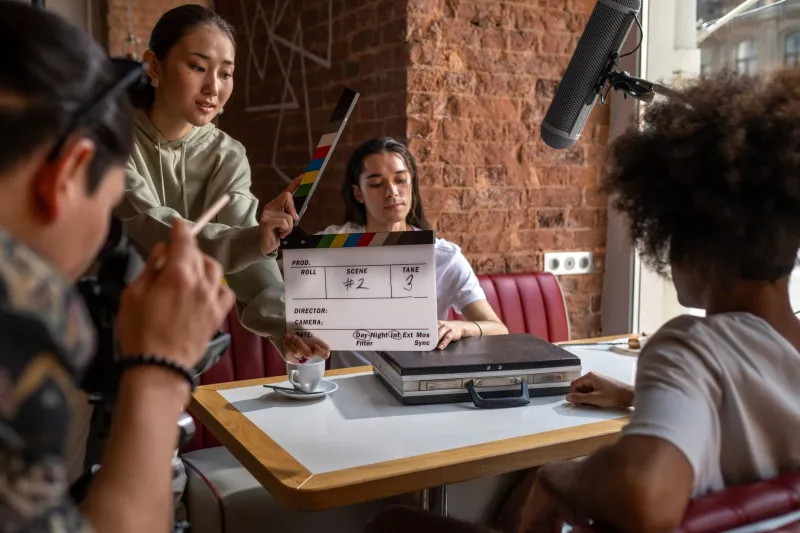
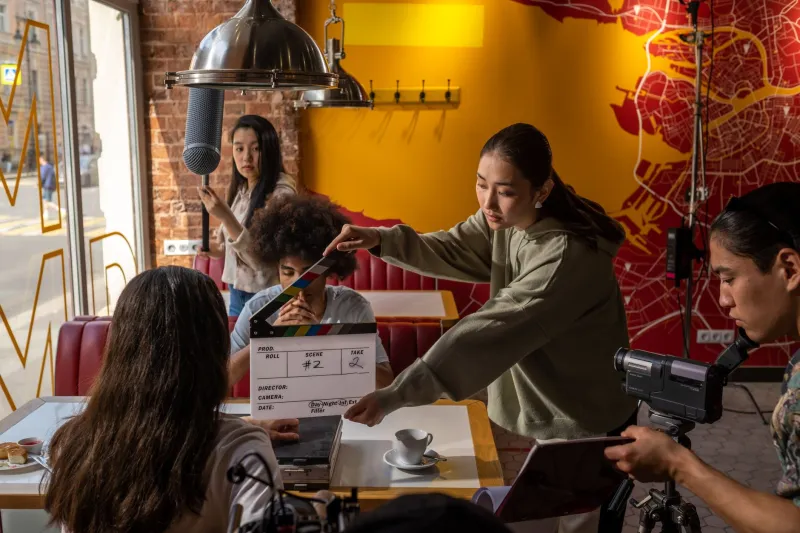
On a soundstage in Atlanta this fall, a production designer walked me through a fully dressed living room—warm lamps, family photos, a half-finished puzzle on the coffee table. Every detail was intentional. And none of it will ever appear on screen. The room is a decoy, built to be leaked.
'We call it the B-room,' says Marisol Vega, a production designer who has worked on three streaming genre shows in the past two years. 'It exists so the real room stays secret. We dress it, light it, put background actors in it, and let the drones and the phones find it. Then we shoot the actual scene somewhere else.'
Welcome to the decoy economy. In 2026, as spoiler culture has hardened into a full-contact sport, productions are spending real money on fake sets, planted scripts, and actors hired purely for misdirection. It's a line item that didn't exist a decade ago, and it's growing fast.
The Spoiler Arms Race
The logic is simple: if you can't stop the leaks, curate them. Set photos have always been a problem, but the current combination of drone cameras, telephoto lenses, and TikTok sleuths has turned every outdoor shoot into a potential security breach. A single blurry photo of a costume or a set wall can spawn a thousand YouTube breakdowns before lunch.
'We used to worry about paparazzi,' says Derek Kahn, a location manager who has scouted for major cable dramas. 'Now it's fans with $3,000 lenses and a Discord server. They know our shooting schedule before some of our crew does.'
So producers have adapted. They build decoy sets in visible locations, then shoot the real scenes in a locked-down studio. They distribute scripts with fake pages—sometimes entire fake endings—to different departments. They hire actors to walk around in costume near known leak spots, knowing the photos will circulate.
What a Fake Set Actually Costs
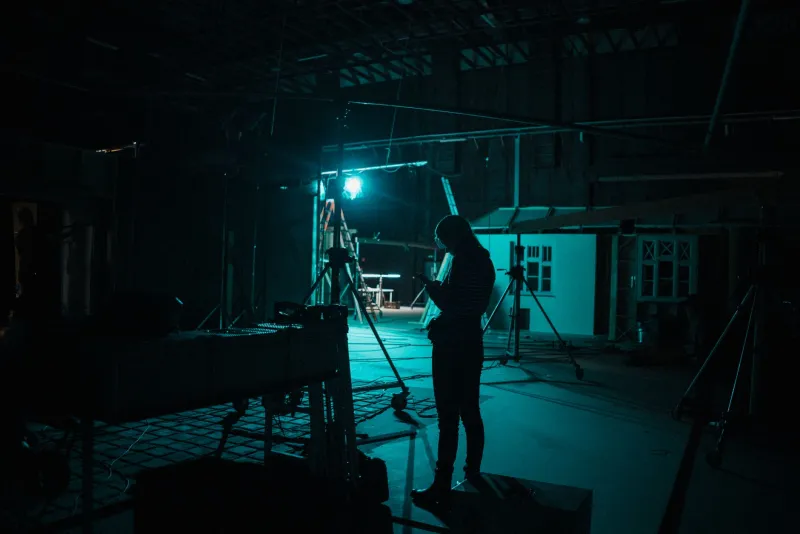
A basic decoy room—four walls, some furniture, a few practical lights—runs $15,000 to $40,000, depending on the market. An elaborate exterior or a full standing set can hit six figures. That's before you add permits, security, and the crew time to build something you'll never use.
'It's not cheap, but it's cheaper than a major plot point leaking three months early,' says a producer on a upcoming sci-fi series, who asked not to be named because she's not authorized to discuss the show's security budget. 'We spent $85,000 on a decoy last season. The real set cost twelve times that. If the decoy bought us two weeks of silence, it paid for itself.'
The costs aren't just financial. Decoy builds require separate crews, often under strict NDAs. Some productions use code names on call sheets for the decoy team so even they don't know what show they're working on. Location managers have to scout two sets of locations—one for the real shoot, one for the fake one—and coordinate with local officials who may not realize they're permitting a lie.
The Logistics of Lying
Misdirection is a logistical puzzle. You need the decoy to look real enough to fool a phone camera from a hundred yards away, but not so real that it drains resources from the actual production. You need actors who can convincingly walk from point A to point B without being told why. You need to keep the secret from the crew members who might post about it.
'We've done decoy scripts where only the director and the two leads knew which pages were real,' Vega says. 'The rest of the cast got the fake version. It makes for some strange table reads.'
Some productions go further, planting fake casting notices on industry sites or paying background actors to talk loudly about a plot twist that doesn't exist. It's a kind of improv theater for the internet age, and it raises uncomfortable questions about consent and manipulation.
The Ethics Question
Is it fair to mislead fans? To waste materials on sets that will be demolished? To put crew members in the awkward position of building something designed to deceive?
'I've had crew ask me why we're doing this,' Kahn says. 'I tell them the truth: we're protecting the story. People forget that a leak doesn't just spoil a surprise. It can change how a show is written, how it's marketed, how it's received. Decoys are a defense mechanism.'
But not everyone is comfortable. One production designer I spoke to, who declined to be named, said she found the practice wasteful and a little cynical. 'We're spending money on lies while below-the-line crews are fighting for pay increases. I get it, but it doesn't sit right.'
Do Fans Even Notice?
Here's the strange part: audiences often don't seem to mind. When a decoy works—when a leak turns out to be a misdirect—the reaction is usually more delight than outrage. Fans enjoy the hunt. They like feeling that the show is protecting something. And in a media landscape where everything is spoiled by the trailer, two weeks of mystery is valuable currency.
'We leaked a fake death scene last year,' Vega says. 'The internet went crazy. Then the real episode aired and the character was fine. People were annoyed for about ten minutes, and then they started making memes. It became a joke. That's a win.'
Not every decoy lands. Some feel obvious. Some backfire when fans realize they've been played and resent the manipulation. But for now, the trend is accelerating. As long as spoilers have value, productions will keep building rooms that exist only to be discovered.
The real secret? The decoy isn't just a wall. It's a bet that surprise still matters—and that audiences would rather be fooled than bored.