The Silence Department: What 2026 Finale Security Really Costs
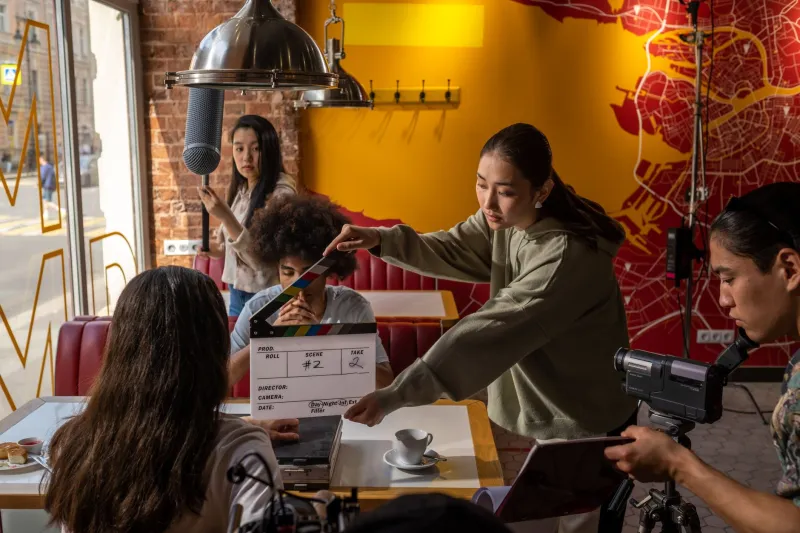
Finale night used to be a race between the show and the group chat. In 2026, it is a managed event, with a department behind it. On high-profile scripted series, spoiler prevention now has its own budget line, its own call-sheet shorthand, and its own small army of consultants who spend more time in documents than on set. The job is not simply to keep pages off the internet. It is to keep the ending from leaking sideways—through a background actor’s phone, a props photo, a shipping label, or a fan account that guesses correctly and refuses to let go.
The New Line Item
A decade ago, finale security was mostly a mix of nondisclosure agreements and prayer. Today, producers on tentpole streaming dramas and broadcast event series describe a layered workflow: individualized script watermarks, locked PDF readers, color-coded pages that change by department, and a chain-of-custody log for every printed draft. One consultant who works on premium cable dramas said the first question is no longer “Who has the script?” It is “Which version does each person have, and can we trace it back in under an hour?”
That traceability costs money. Consultants say retainers for spoiler-prevention teams often start around $7,500 a week and climb well past $15,000 on shows with international distribution and rabid online fandom. Social listening and takedown services can add another $2,000 to $5,000 a month. Fake endings are their own line item. Depending on cast size, location work, and visual effects, a decoy finale sequence can run from $50,000 to more than $250,000—money spent specifically to shoot something the audience is never supposed to see.
Fake Endings, Real Chaos
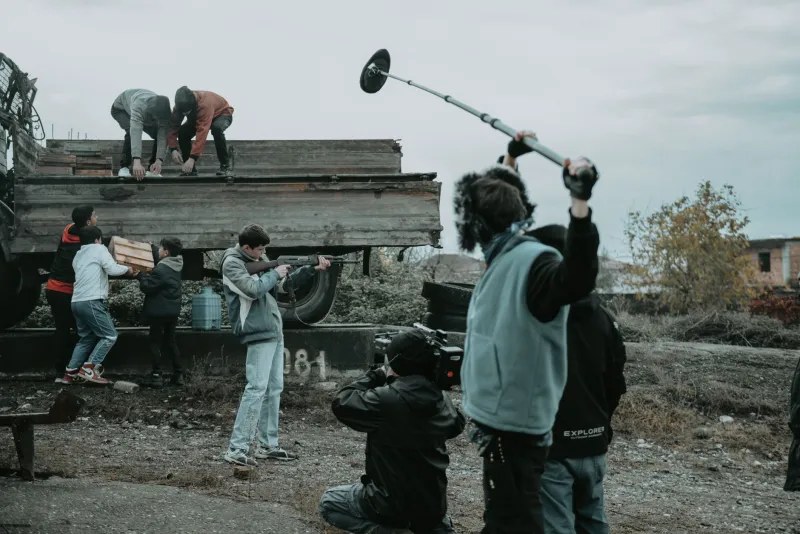
The alternate-ending shoot is the most visible part of the job, and the most misunderstood. Crew members on two 2026 drama series said the decoy pages arrive with codenames, separate call sheets, and sometimes separate trucks. The point is not to fool the crew. It is to create enough controlled confusion that a leak cannot be trusted as definitive. If a photo of a funeral scene hits Reddit on a Tuesday, the show wants to be able to say: that was the fake one.
But controlled confusion has a production cost. Departments need context to do their best work. Costume designers need to know whether a character is supposed to look defeated or relieved. Props need to know which object matters in the final shot. Location managers need to know why a scene is being shot in a parking garage at 3 a.m. When scripts are compartmentalized too tightly, that context gets replaced by meetings, guesswork, and a lot of walking to someone else’s trailer to ask a question that used to be answered by page 12.
The Monitoring Desk
Spoiler patrol is also a desk job. Teams monitor Reddit threads, Discord servers, TikTok comment sections, and the stranger corners of X. Some use keyword alerts. Some use human analysts who understand fandom grammar well enough to tell the difference between a lucky guess and a genuine leak. One consultant described the hardest part as calibration: a theory that is wrong can be ignored; a theory that is right can be dangerous; a theory that is right in the wrong way can send a production into a week of unnecessary panic.
Takedowns are not always the answer. Legal threats against fan accounts can backfire, turning a small leak into a story about the studio being heavy-handed. The more sophisticated teams now work with platform trust-and-safety contacts, flag specific posts, and try to move fast without creating a Streisand Effect. The goal is not silence. It is time—enough time to get to the finale without the ending becoming a known quantity.
When the Locked Door Slows the Work
Crew members generally understand why secrecy matters. They also roll their eyes at the way it is sometimes implemented. On one 2026 production, a department head said they received a script with entire scenes redacted, then were asked in the same breath to design a set that would “feel emotionally correct.” On another, a background actor was reportedly given a fake scene description that contradicted the actual action, which led to a morning of confused blocking and a director who had to re-explain the joke without saying the punchline.
That is where spoiler prevention starts to interfere with the work. Secrecy is a production value, but so is clarity. The best consultants, several crew members said, are the ones who treat departments as partners rather than leak suspects. They hold short briefings. They explain what can be shared and why. They give people enough information to build the right thing without giving them the ending.
The Math Producers Are Doing
Not every show needs a silence department. A procedural with a closed-case finale can survive a leak. A comedy with a wedding cliffhanger probably can too. The calculus changes when a finale is the marketing event—when the streamer is selling the ending itself, and when a single screenshot can travel from a set in Atlanta to a subreddit in minutes.
So producers keep paying for the watermarks, the fake pages, the monitoring, and the consultants who know how to say “we have a situation” without causing one. The ending is the product. In 2026, keeping it secret is part of making it.