The Binder That Renews You: A 2026 Guide to the Wrap-Room Paper Trail
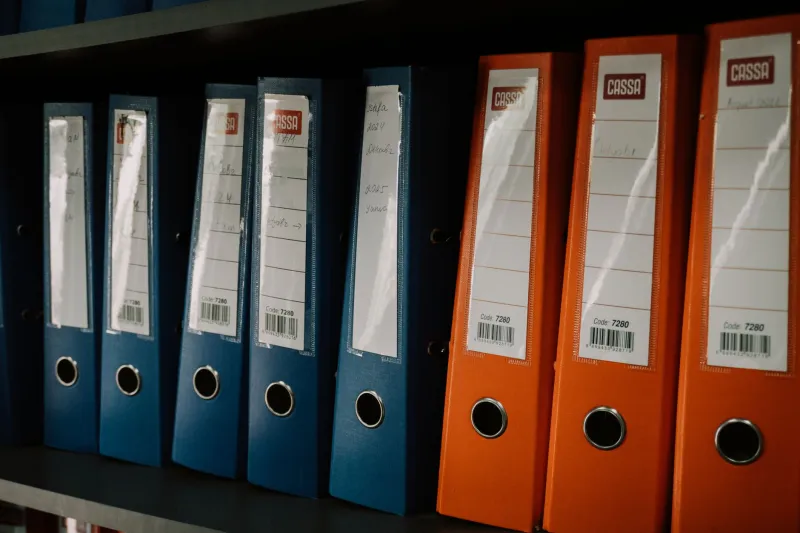
Wrap day looks like a party. There is usually a table of food, a few speeches, and a crew photo where everyone pretends they got enough sleep. The real wrap happens later, in a quieter room with a printer and a shared drive. That is where production coordinators and line producers turn a finished season into a package a studio or streamer can actually renew.
The finale gets the posts. The wrap binder gets the second season.
CSN Media spoke with production coordinators and line producers across competition, scripted, and documentary projects about the paperwork that closes a show in 2026. The consensus was blunt: renewal often depends less on whether the last episode popped than on whether the production looks clean, closed, and easy to greenlight again.
Here are the six documents that matter most—and the places where producers keep getting stuck.
1. The final cost report
The hot cost reports during production are a pulse check. The final cost report is the autopsy. It compares actual spending to the approved budget line by line, explains overages, and shows whether contingency was used or preserved.
A coordinator on a recent streaming unscripted series says the mistake is waiting for every last invoice before starting the final report. 'You cannot close a show in a week if you have not been closing it all along,' she says. 'The wrap room is not where you learn your budget. It is where you prove it.'
In 2026, studios want the final cost report to arrive with a short narrative memo: what changed, why, and what a season 2 would cost with the same variables. A clean report does not have to be under budget. It has to be explainable.
2. The deliverables matrix
Deliverables are the show’s exit paperwork: masters, audio stems, closed captions, music cue sheets, credit lists, chain-of-title documents, archival footage licenses, and whatever format the buyer requested in the deal memo. In 2026, that list is often longer than the crew remembers.
A line producer on a cable drama says the deliverables matrix should be built in prep, not at wrap. 'Every department should know what it owes and when,' she says. 'If you are chasing a music cue sheet in the last week, you are already late.'
The practical fix is simple: assign one person to own the matrix, update it weekly, and require signed handoffs from post, music, legal, and production. A missing deliverable can delay payment. A delayed payment can make a show look messy to the people deciding its future.
3. The tax-credit audit packet
US productions increasingly rely on state incentives, and those credits come with their own paper trail. Depending on where you shot, the packet may include payroll reports, vendor invoices, proof of residency, qualified expenditure summaries, and sign-offs from an independent CPA.
Georgia, Louisiana, New York, and California all have different rules and different audit rhythms. A production coordinator who has closed shows in two of those states says the biggest error is treating the tax-credit packet as a finance-only job.
'Production has to feed finance every week, not every month,' she says. 'If the receipts are not tied to the right vendor and the right shoot day, the audit becomes a scavenger hunt.'
A complete tax-credit packet does not just protect the credit. It signals to a studio that the production can handle a complicated location strategy again.
4. The guild and union closeout
The final payroll is not the end of the union paperwork. Productions still need closeout letters, pension and health contributions reconciled, timecard issues resolved, and any residual or reuse obligations documented. SAG-AFTRA, DGA, IATSE, and WGA requirements vary by project and contract, but the principle is the same: no loose ends.
A coordinator on a scripted series says the fastest way to spook a renewal conversation is to leave a guild closeout unresolved. 'It reads as risk,' she says. 'Nobody wants to pick up a show that still has a payroll question from last season.'
The fix is to start the closeout before wrap. Ask payroll for a draft reconciliation. Flag missing timecards early. Keep the guild contacts in the same thread as the line producer, not buried in someone’s inbox.
5. The insurance and claims log
The wrap binder should include a clear claims history: incident reports, equipment damage, workers’ compensation claims, and any open insurance issues. Not because anyone wants to relive the time a camera cart went down a ramp, but because a buyer needs to know the production is closed out.
An open claim can hold up a renewal. So can a missing certificate of insurance from a vendor who worked one day in episode four. The paperwork is boring until it is the reason a season 2 budget gets flagged.
6. The final budget memo
The last document is the one producers most often skip: a one-page final budget memo. It explains where the money went, what the production would do differently, and what a season 2 would cost under the same conditions.
Line producers call this the ask. It is not a pitch deck. It is a reality check. If the show came in over budget because of weather, a location change, or a schedule crunch, the memo says so plainly. If a season 2 would need a different shooting ratio or a smaller footprint, the memo says that too.
A coordinator who has worked on both renewal and cancellation sides puts it this way: 'The finale makes people feel something. The wrap binder makes them feel safe. You need both.'
The wrap room is a genre now
In 2026, the shows that come back are not always the ones with the loudest finale. They are the ones whose paperwork arrives on time, whose deliverables are complete, and whose final cost report does not require a follow-up meeting.
That is not glamorous. It is not supposed to be. The wrap room is where a production proves it can do the whole job again—and the crew who know which forms producers keep forgetting are the ones who quietly decide whether the next season starts at all.