Names Before the Next Episode: The 2026 Scramble Over End-Credit Space
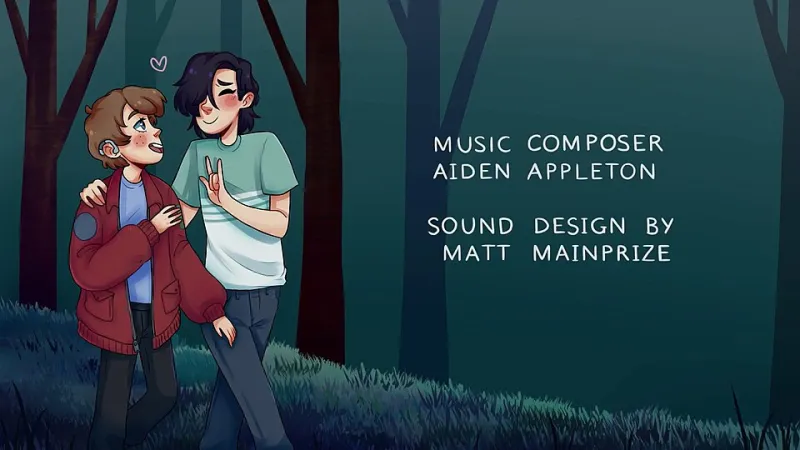
Photo: Millie Alexandra (Miggles Scribbles), CC BY 3.0, via Wikimedia Commons
End credits used to be a slow exhale. In 2026, they’re a race against the algorithm.
Streaming interfaces now treat the end of an episode as a suggestion window. Autoplay countdowns, promo overlays, and “next episode” cards start stacking up before the first department head has cleared the frame. For viewers, it’s convenience. For production teams, it’s a recognition problem that has moved from the margins of post to the middle of the contract conversation.
“The credit crawl is not decoration,” says a post supervisor on a 2026 streaming drama who asked not to be named while negotiations are ongoing. “It’s the receipt. It’s how people prove they worked. If the interface eats it, we have a staffing problem disguised as a design problem.”
That sentiment is showing up across 2026 sets and edit bays. The fight is not really about nostalgia for a long scroll. It’s about real estate: who gets named, how long the name stays visible, and whether the platform’s marketing layer can cover it up.
The Math of the Last Forty Seconds
A traditional end crawl can run several minutes. A streaming end card can shrink that to a handful of seconds before the next episode loads. Marketing teams want tune-in. Platforms want retention. Post teams want compliance and basic fairness. Those goals are not always compatible.
In 2026, post supervisors are being asked to design credits for two audiences at once: the viewer who lets the episode run and the viewer who never sees the crawl because autoplay has already moved on. The result is a kind of split-screen approach. The full crawl still exists, but it is increasingly paired with a “credit pod” — a short, readable block that can survive the squeeze.
Credit pods are not new. What’s new is how much production weight they’re carrying. A pod might group key department heads into a clean card, add a QR code for the full crew page, and reserve the final frame for a simple line: full credits available at the show’s official site. It’s a workaround, but it’s also a negotiating tool. If the platform trims the crawl, the pod is the thing that still has a chance to be seen.
The Credit Pod Gets a Redesign
The most interesting 2026 credit work is happening in the space between post and marketing. Post supervisors are building credit sequences that can be cut down without losing the names that guild agreements and crew contracts protect. Legal is checking minimums. Guild reps are checking placement. Marketing is checking whether the final seconds can still promote the next show.
One compromise that’s gaining traction: a layered credit design. The broadcast or streaming master includes the full crawl. The platform-facing version includes a shortened pod with a stable hold time. The show’s website hosts the complete list, searchable by department and episode. The QR code bridges the two.
It sounds tidy. It isn’t. Someone has to decide which names make the pod. Department heads usually stay. Day players, background coordinators, and vendors often get pushed to the web page. That’s better than disappearing, but it creates a hierarchy inside the credits that crews notice.
“A QR code is not a substitute for a name on screen,” says a guild representative involved in 2026 credit discussions. “It’s a supplement. If the contract says on-screen recognition, a link doesn’t automatically satisfy that.”
What the Contract Says — and What It Doesn’t
The 2026 contract language around credits is getting more specific. Production teams are asking for minimum hold times, protections against overlays during named crew cards, and clear rules for how credit pods are approved. Some agreements now include language about “undisturbed display” during the credit sequence, though enforcement varies by platform and by show.
Streamers, for their part, are not monolithic. Some are willing to adjust autoplay timing for prestige titles or shows with guild-sensitive credits. Others treat the end card as a marketing surface that cannot be paused for every production’s preference. The negotiation often comes down to leverage: a high-profile showrunner can get a cleaner credit window. A mid-budget unscripted series may not.
That imbalance is part of why the conversation has become louder in 2026. Crews are comparing notes across shows. A camera operator who works on a streaming comedy and a cable drama can see the difference in how their name is treated. The credit sequence has become another piece of set intelligence — not just a vanity issue, but a signal of how a production values the people it hires.
The Viewer Is Starting to Notice
There’s a quiet audience shift, too. Credit-watchers have always existed, but social clips and screenshot culture have made end credits more visible. Viewers post side-by-sides of shows that bury names under promo cards and shows that let the crawl breathe. Crew members share the clips. Families screenshot them. The end credits are becoming a public-facing part of production values, even if most viewers still skip them.
That attention puts marketing teams in an awkward spot. A promo overlay may drive a few more starts on the next episode, but a cluttered credit sequence can generate bad word of mouth among the crew community and the viewers who care about craft. In 2026, the final frames are a brand statement whether the platform intends them to be or not.
The Human Cost of a Fast Scroll
For below-the-line crew, a credit is not just a thank-you. It’s proof. It’s a resume line, a hiring signal, and sometimes a union requirement. When the crawl is squeezed, the people most likely to lose visibility are the ones with the least power to negotiate: day players, assistants, vendors, and local crew who may only work a few days on a show.
That’s why the 2026 fight over end-credit real estate is not only a post-production story. It’s a labor story, a design story, and a marketing story sharing the same final forty seconds. The credit pod can help. The QR page can help. Contract language can help. But none of it replaces the basic question every production eventually faces: when the next episode is already loading, who gets to be named before the screen moves on?
The answer is still being negotiated, one final frame at a time.