Four Walls and a Prompt: Inside the 2026 Reality Confessional
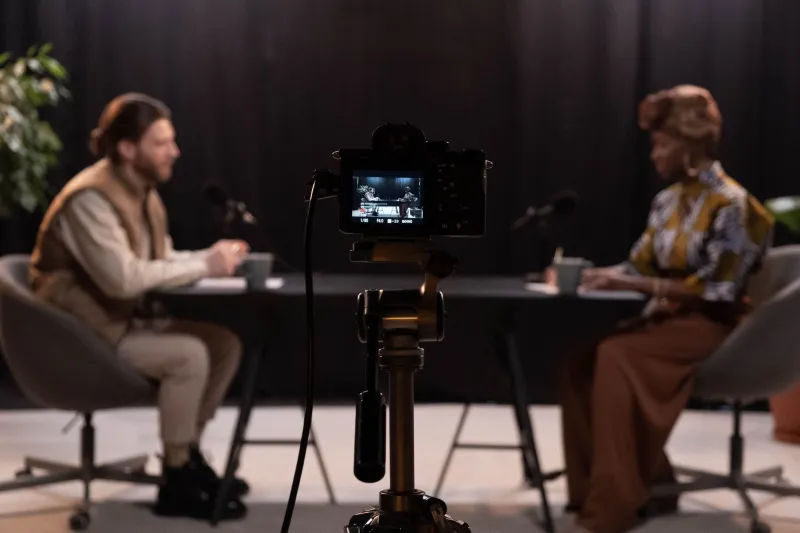
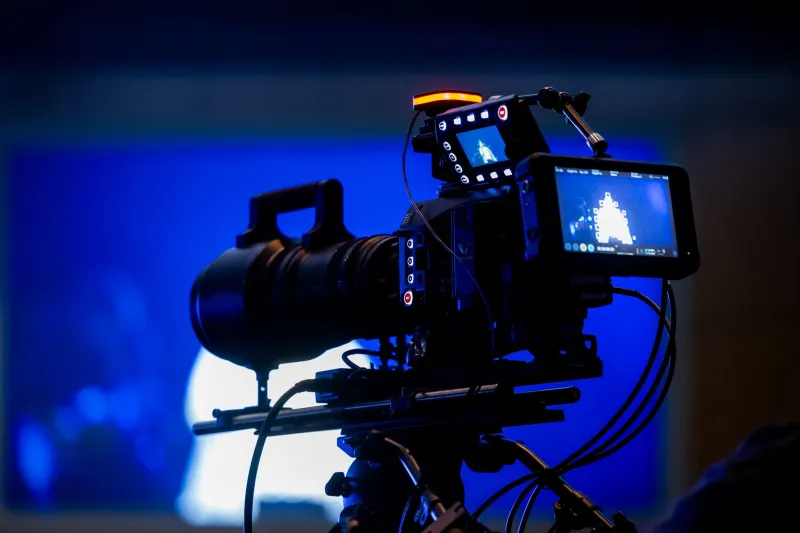
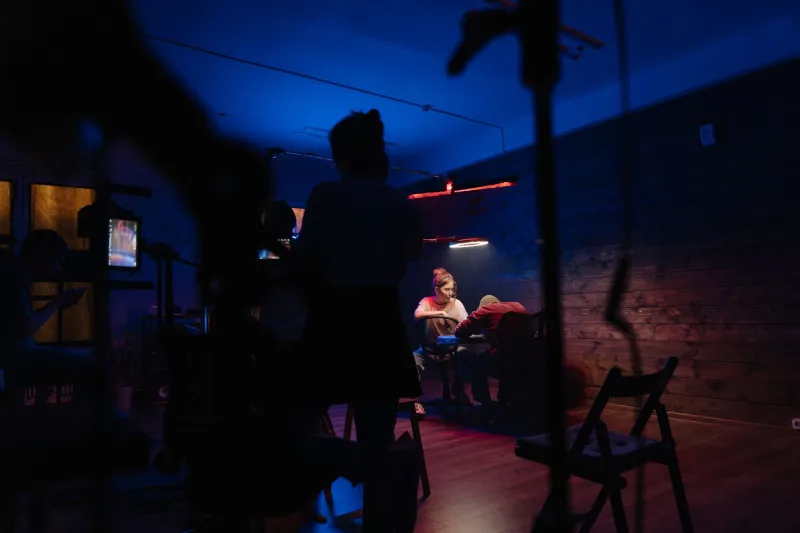
On a Tuesday afternoon in Burbank, a cast member sits in a room that looks like a boutique hotel corner: one chair, one lamp, a plant that may or may not be real, and a camera tucked behind a dark panel. A field producer sits just out of frame with a notebook and a bottle of water. The door is closed. The room is quiet. For the next forty minutes, this is where the season will be shaped.
Welcome to the 2026 reality confessional. It is still the place where cast members cry, complain, fall in love, and explain why they just did the thing everyone at home already saw. But the booth is no longer an afterthought squeezed into a hallway. Producers now treat it as a story engine, a craft space, and a small ethical minefield all at once.
The room does half the work
Marisol Vega, a field producer who has run confessional units for competition and docu-soap shows, says the first job is making the room feel less like a set and more like a pause. The chair is comfortable but not too comfortable. The camera sits at eye level. The lighting is soft enough to hide exhaustion but bright enough to read a face on a phone screen. There is no clock in sight.
'You want them to forget the crew is outside the door,' Vega says. 'Not forget the camera—they know the camera is there. But forget the machinery.'
That means no visible boom operator, no tangle of cables, no producer hovering with a clipboard. In 2026, many shows use a two-person confessional team: one producer asks questions, and one listens for story gaps and timecode notes. The room is often warmed to a specific temperature, stocked with water and tissues, and stripped of phones. Some productions add a rug or a curtain to soften sound. Others build the booth so it can be broken down and rebuilt at three different locations without changing the look.
The design is not decoration. It is continuity. If the confessional looks the same in episode one and episode ten, the audience reads it as a reliable space—the place where the truth comes out.
The prompt is not a script
Reality producers do not hand cast members lines. At least, the good ones do not. What they build instead is a question map: a list of prompts designed to move a cast member from recap to reflection to revelation. The questions are open-ended. They avoid yes or no. They leave room for surprise.
Elliot Park, a showrunner who has launched two unscripted formats in the past three years, says the 2026 rule is simple: ask for the feeling, not the performance.
'You can ask, What was going through your head when she walked in?' Park says. 'You cannot say, Tell me how betrayed you felt. That is writing.'
Producers still re-ask questions for clarity. They still circle back when a cast member gives a vague answer. They still use follow-ups like 'What happened next?' and 'How did that land?' But the ethical line, Park says, is feeding language. A producer can guide a memory. A producer cannot hand over a sentence and ask the cast member to repeat it with tears.
Some shows now use a second producer in an earpiece to flag missing context or a contradictory timeline. The earpiece is for the interviewer, not the cast. That distinction matters in a season where audiences are quicker than ever to spot manufactured drama.
The honesty ledger
CSN Media spoke with four field producers and two showrunners about the boundaries they keep in the booth. The list is not universal, but it is emerging as a 2026 standard. No surprise ambushes in the confessional. No alcohol to loosen tongues. No keeping cast members awake to get a raw answer. No promising an edit they cannot control.
Vega says she keeps a simple test: would she be comfortable if the cast member heard the question map before sitting down?
'If the answer is no, we have a problem,' she says. 'The booth should feel private, but it should not feel like a trap.'
That does not mean the confessional is neutral. It is designed to produce emotion. The producer decides where to sit, when to push, and which silence to leave alone. The cast member decides what to reveal. The tension between those two jobs is the whole game.
The edit starts before the edit bay
By the time footage reaches post, the confessional has already generated a story spine. Producers log timecodes, tag emotional beats, and write short intent notes for editors. Those notes are not scripts. They are context: what happened before the question, what the cast member was reacting to, and which answer was a detour rather than a destination.
That paperwork saves hours in the edit bay. It also protects the show. If a cast member later questions how a moment was framed, the production can point to the question asked, the answer given, and the context logged in the room.
The booth looks simple. A chair, a lamp, a camera. But in 2026, it is one of the most controlled spaces on a reality set—and the place where the season’s honesty is either built or broken.