The 2 A.M. Taco Line: What 2026 Crews Actually Need From Craft Service
Craft service used to be the folding table you walked past on the way to set. In 2026, it is a planning item with its own production meeting slot. On tighter schedules, the food table is where a crew finds out whether the day is going to feel human. That shift has turned caterers into informal morale officers, schedule whisperers, and—on a few shows—uncredited story consultants.
The Table Is a Scheduling Tool
Dana Whitfield, a Los Angeles caterer who has fed crews on broadcast dramas and streaming comedies, says the biggest change is when she gets the call. 'I used to get a menu approval two weeks out,' she says. 'Now I am on a call with the line producer and the first AD before the location is locked. If a scene runs long, the food has to move with it.' That sounds small. It is not. A hot meal that lands at the wrong time can cost a production 20 minutes of goodwill and, on a night shoot, a chunk of the next day's energy.
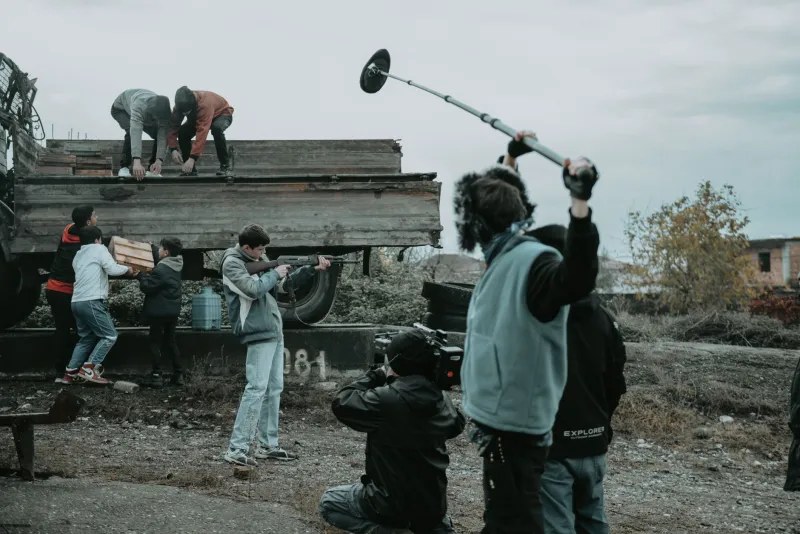
Line producer Marcus Reed puts catering in the same bucket as transportation and power. 'You do not wait until the morning of to figure out where the generators go,' he says. 'We should not wait until lunch to figure out how 120 people eat in a field in November.' On a recent Atlanta shoot, his team built a covered food tent into the location plan before the permit was filed. The tent doubled as a holding area when rain pushed the schedule. Catering did not just feed the crew; it gave the production a second room.
Dietary Whiplash Is Real
The days of one vegetarian option and a prayer are over. Crews in 2026 are more vocal about what they can and cannot eat, and productions are more exposed when the food misses. Gluten-free, dairy-free, halal, kosher, and low-sugar requests are now standard on many sets. That is not a punchline. It is a staffing issue. A hungry PA who cannot eat the provided meal is a PA who disappears for 40 minutes.
Whitfield says the smartest productions ask for dietary needs at hiring, not on the day. 'We get a spreadsheet before the first scout,' she says. 'It is not about being fancy. It is about not running out of the one thing half the crew can eat.' She also warns against overcorrecting into a menu nobody wants. 'You can have the best plant-based lasagna in the city. If the crew is freezing on a night exterior, they want something warm and familiar.'
The Budget Line Nobody Wants to Defend
Catering is still one of the first lines producers try to trim when a budget gets tight. The irony is that cutting the food budget often costs more later. Crews remember bad food. They talk about it in the van, on the group chat, and on the next job. In a labor market where experienced PAs and grips can choose their calls, a reputation for feeding people badly is a recruiting problem.
Reed says he now fights for a realistic per-person number and a contingency. 'If you budget for a picnic and the shoot turns into a night exterior in the rain, you are going to pay for it either way,' he says. 'You will pay the caterer more to pivot, or you will pay the crew in morale.' He prefers to build a 10 percent food contingency into the production budget rather than pretend the schedule will hold. That is not lavish. It is arithmetic.
Late Night Is a Different Menu
The late-night food decision is where craft service becomes creative. A 2 A.M. taco setup can feel like a gift. A 2 A.M. plate of cold sandwiches can feel like an insult. Caterers who work night shoots plan a second, smaller service rather than stretching dinner. Soup, quesadillas, breakfast burritos, and rice bowls show up because they hold heat and travel well. Coffee is not enough. Neither is candy.
On a recent New Mexico production, the caterer set up a last-call window with 15 minutes notice before the final setup. The first AD could text the table when the crew was 20 minutes from wrapping a setup. Food was ready when they walked off set. The production saved a full meal penalty and the crew got something warm before the drive home. That is the kind of small operational win that does not show up in a trailer but keeps a show on schedule.
What Producers Get Wrong
The mistake is treating craft service as a vendor relationship instead of a production relationship. The caterer needs the call sheet. They need to know when the location changes, when the meal break moves, and when the director decides to chase the light. They also need permission to say no to a menu that will not survive the day.
Whitfield says the best producers ask one question early: 'What do you need from us to feed this crew well?' The answer is usually not more money. It is earlier information. In 2026, that is the whole game. The food table is not a break from the work. It is part of how the work gets done.