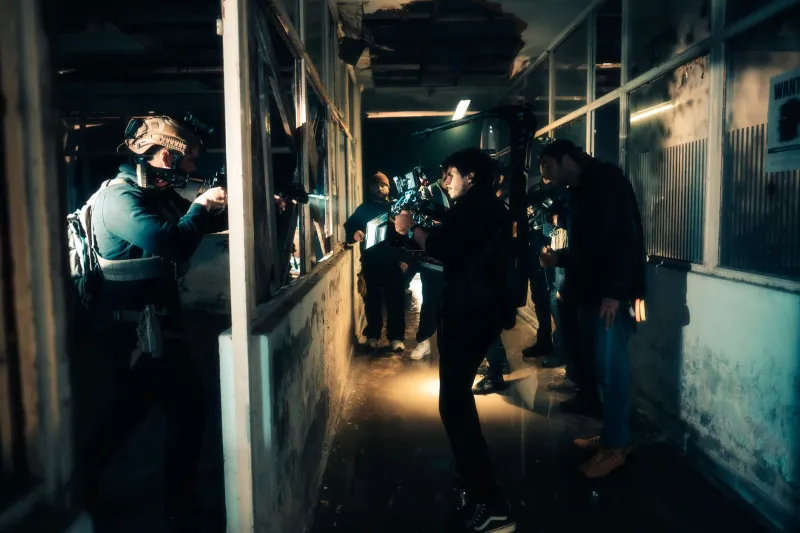
The Thing in the Room: Why 2026’s Genre Shows Are Betting on Practical Effects Again
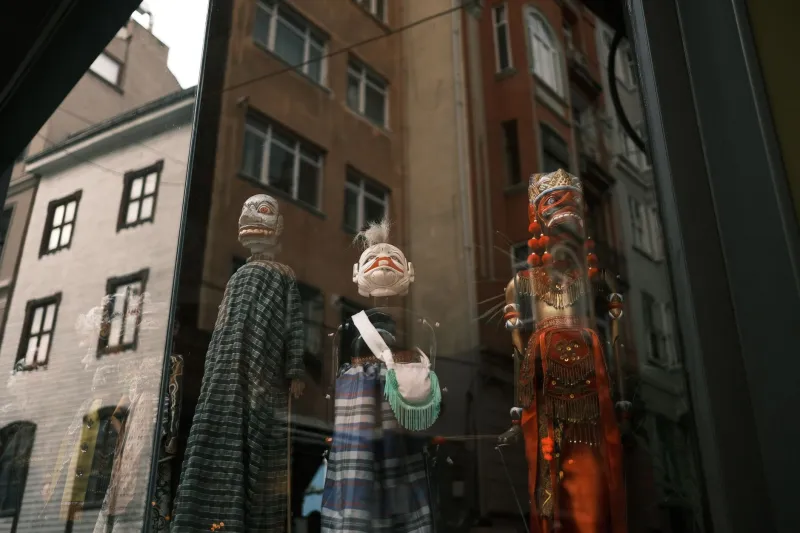
Here’s the moment that sells practical effects better than any pitch deck: the crew goes quiet. A suit performer settles into a crouch. A puppeteer’s hand moves. The thing on set—rubber, foam, cable, and paint—turns its head. Even the jaded camera operator leans in. In 2026, a growing number of genre series are chasing that moment again.
This is not a rejection of visual effects. It’s a correction. After years of shows getting comfortable with the green screen—and then getting burned by shots that looked expensive but weightless—showrunners are bringing practical back in strategic, budget-conscious ways. Creature suits. Miniature sets. Practical explosions. Real fog, real rope, real shadows. The result is a strange little boom for the people who build and perform the tactile stuff, and a new set of questions for below-the-line hiring.
The case for tactile chaos
Practical effects are not automatically better. Bad rubber looks like bad rubber. A poorly lit miniature can look like a toy. But when they’re done right, they give actors something to act against, give directors a real frame, and give the audience a physical grammar that CG still struggles to fake.
‘An actor can look at a puppet and know where the eyes are,’ says a creature-effects supervisor who has worked on genre series for two decades. ‘They can hear it breathe. They can smell the latex. That changes the performance. You can’t put that in a note.’
There’s also the speed of iteration. A suit can be adjusted on set. A puppet can be re-rigged between takes. A miniature can be relit. CG corrections can do the same, but they happen in a vendor’s pipeline, on a schedule, with a budget. Practical is not cheaper across the board—but it can be faster in the places where speed matters.
What the shops are seeing
Practical houses in Los Angeles, Atlanta, and New Mexico say the phone is ringing more. Not for every show—tentpoles still lean heavily on digital—but for genre series that want a signature look. Suit builds, puppeteering, model-making, and practical rigging are all back in demand.
The work is hybrid now. A modern creature may be a suit performer on set, a CG cleanup pass, and a digital extension in the wide shots. A miniature may be shot practically and then surrounded by a virtual environment. The crews who thrive are the ones who can talk to both sides.
‘We’re not going back to 1995,’ says a model-shop lead in the Atlanta area. ‘We’re going back to the idea that the camera should see something real when it can. Then we use the tools we have to make it bigger. That’s the job.’
The cost-versus-craft breakdown
The math is not simple, and anyone who tells you practical is always cheaper is selling something. Here’s a rough, non-gospel breakdown of how the numbers can shake out on a genre series.
| Approach | Typical ballpark | What it buys | What it costs you |
|---|---|---|---|
| Practical creature suit | $80,000–$350,000 for design and build, plus puppeteers and suit performers | Real shadows, on-set performance, flexible framing | Limited mobility, maintenance, extra test days |
| CG creature | $20,000–$100,000 per finished shot, depending on complexity | Infinite scale, easy revisions, no physical limits | Vendor time, approval cycles, weightless risk |
| Miniature set | $50,000–$250,000 for build and rig | Real light, real destruction, reusable angles | Storage, space, motion-control time |
| Digital extension | $10,000–$60,000 per shot | Seamless scale, quick changes | Can feel airless if overused |
Those numbers move with scope, schedule, and how much the production is willing to test. The real cost driver isn’t the material—it’s the planning. A practical show that doesn’t budget test days will pay for it in reshoots. A CG show that doesn’t budget previs will pay for it in revisions.
‘You can’t bring us in after the location is locked and expect magic,’ says a practical-effects coordinator. ‘The best shows call us during prep. We need to know how the creature walks, where the light is coming from, and what the actor is going to touch.’
Reshoots and the myth of convenience
Practical effects have a reputation for chaos. Sometimes it’s earned. A suit overheats. A rig fails. A miniature doesn’t match the plate. But the convenience of CG is also a myth—it just moves the chaos later, into post, where it’s harder to fix and more expensive to change.
The 2026 shows getting this right are treating practical as a pre-production discipline. They build in test days. They rehearse with puppeteers. They shoot the practical element while they still have the set, the actors, and the crew. That’s not nostalgia. That’s risk management.
What it means for below-the-line hiring
This shift is good news for specialty crews—but it’s not a flood of jobs. It’s a reshape. More calls for suit performers, puppeteers, model makers, scenic artists, riggers, and practical lighting. Fewer calls for pure CG generalists who can’t collaborate with a shop. The new ask is hybrid: someone who can read a previs animatic and still know how to build a breakaway wall.
Productions also need to plan for the physical footprint. A practical creature needs space, power, and time. A miniature needs a stage with motion control. A puppeteer team needs rehearsal. Those are below-the-line costs that don’t show up in a VFX bid, and they’re the ones that often get missed.
The bottom line
The practical-effects resurgence of 2026 is not a purity test. It’s a creative and financial calculation. Genre shows are choosing tactile where tactile wins—where the camera needs something real, where the actor needs a scene partner, where the audience needs to feel weight. Then they’re using digital tools to finish the job.
That’s a healthier model than either extreme. It puts craft back in the room. It gives effects crews a seat at the table earlier. And it reminds producers that the best visual effect is sometimes a person in a suit, a puppeteer’s hand, and a camera that believes what it’s seeing.