The Camera in the Corner: Why 2026 Sets Are Hiring a Dedicated BTS Shooter—and Arguing About the Files
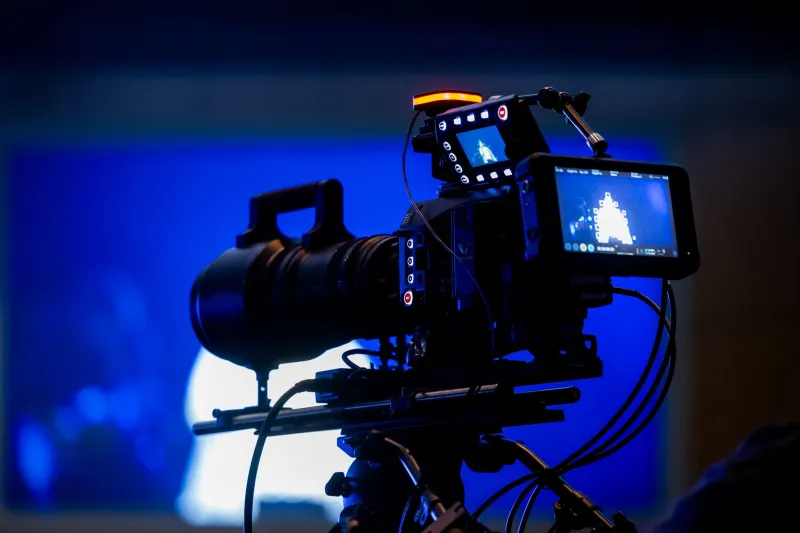
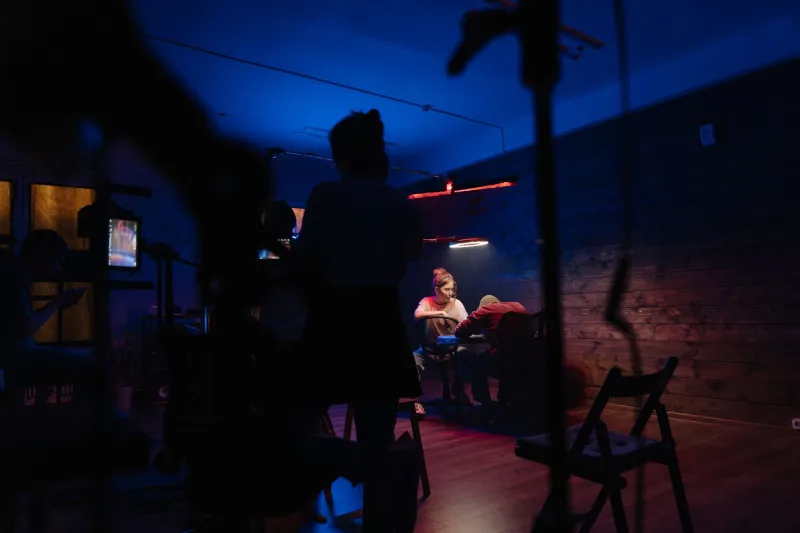
On a rainy Thursday in Atlanta this fall, a set photographer stood behind a monitor cart with a mirrorless camera and a look that said: please do not walk through my frame. The shot was not a publicity still of the lead actor. It was the lead actor’s stand-in, a boom operator, and a director drawing air quotes around a line reading. The photographer was capturing the making of a show that will not premiere until next year—and the streamer already wants the first clip by Friday.
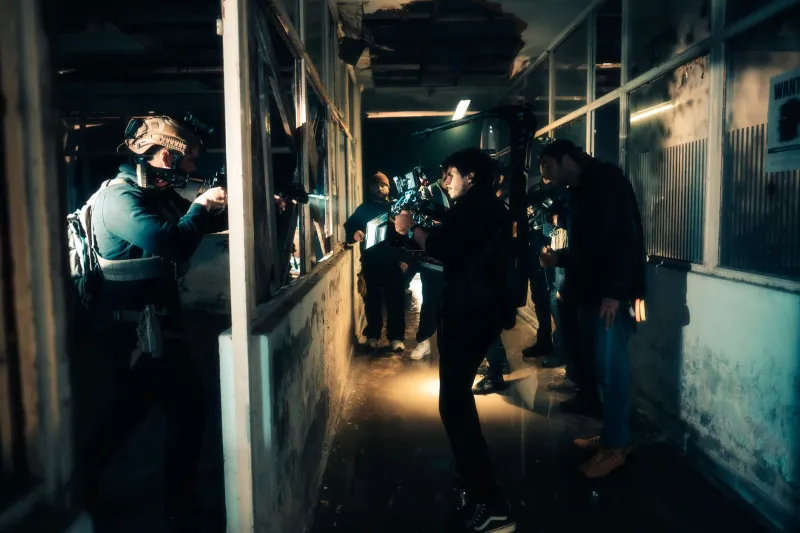
That is the new normal on a growing number of 2026 productions. Behind-the-scenes content used to be a bonus feature, something a DP shot on a phone or a producer’s assistant cobbled together from set photos. Now it is a deliverables item. Networks and streamers want a steady drip of vertical clips, cast interviews, set tours, and ‘first look’ moments to feed social, press, and the show’s own marketing pipeline. The result: dedicated BTS photographers and videographers are showing up on call sheets alongside the usual crew—and everyone is still figuring out the rules.
The New Call Sheet Line Item
The pitch is simple. If a show is going to live on TikTok, YouTube, and Instagram between episodes, someone has to shoot that material while the show is still being made. Marketing teams cannot manufacture authentic set footage from a conference room. They need someone who knows where the light is, when the cast is available, and how to stay out of the way.
‘It used to be a favor,’ said one Los Angeles-based set photographer who has worked on three streaming dramas in the past two years. ‘Now it is a budget line. Sometimes it is one person doing stills and short video. Sometimes it is a two-person team. On bigger shows, it is a small unit that reports to marketing but has to survive on set.’
That survival part is where things get interesting. A BTS shooter is a guest in a workplace. They need access to actors, sets, and moments that are often closed to outsiders. They also need to deliver enough usable content to justify the hire. The tension is built in: the more access they get, the more valuable the footage—and the more likely someone on set feels exposed.
Who Owns the Frame?
The ownership question is the one that line producers bring up first. A production company hires the shooter. The network or streamer wants the footage. The marketing department wants to cut it. The cast has publicity approval rights. The crew has opinions about being in the background of a clip that goes viral for the wrong reason.
In practice, most 2026 contracts are still a patchwork. Some productions treat BTS material as work-for-hire, with the network owning everything and the photographer getting a day rate plus a small gear fee. Others carve out a license: the production can use the footage for marketing, but the shooter retains the raw files and can use select images in a portfolio after a embargo. A few shows are trying a middle path—shared ownership with clear windows for when content can go live.
‘The fight is not usually about the money,’ said a marketing lead at a mid-sized production company. ‘It is about speed. Marketing wants to post the day after we shoot it. Legal wants to review it. The photographer wants to know why their best frame is sitting in a folder while the show’s social account posts a blurry iPhone shot instead.’
Privacy Is a Production Problem
Crew privacy has become the quieter flashpoint. A BTS camera can capture a tired grip, a tense conversation, or a wardrobe malfunction that was never meant to leave the stage. Even when the footage is never published, the knowledge that someone is always shooting can change how a set feels. Some crews have started asking for clear ‘no-shoot’ zones and advance notice when a BTS unit is rolling.
The better productions are writing those rules into the call sheet. A short briefing at the start of the day. A clear signal when the BTS camera is live. A promise that crew members can ask to be cut from any clip before it goes public. None of that is glamorous, but it is the difference between a marketing asset and a morale problem.
‘You cannot just point a camera at a working set and call it content,’ the LA photographer said. ‘The good BTS people know when to put the lens cap on. The great ones know how to get the shot without making everyone feel like they are in a reality show.’
The Release Valve
Some productions are finding a practical compromise: a daily or weekly content window. The BTS shooter delivers a batch of selects to marketing and legal. The production gets a fast review. The cast gets a heads-up. Then the material goes live in a planned rhythm—not all at once, and not months after the show has already premiered.
That rhythm matters for budgets, too. A dedicated BTS hire is not cheap, especially when you add gear, insurance, and the cost of a second unit that has to move around a working set. But marketing teams argue the alternative is worse: scrambling for content after wrap, or paying for a last-minute shoot with talent who have already moved on to the next project.
For now, the camera in the corner is here to stay. The shows that handle it best are treating BTS like any other department—clear scope, clear rules, and a clear understanding that the footage belongs to the show, not to whoever happens to hold the card at the end of the day.