The Earbud Reference: How 2026’s Best-Sounding Shows Are Mixed for the Commute
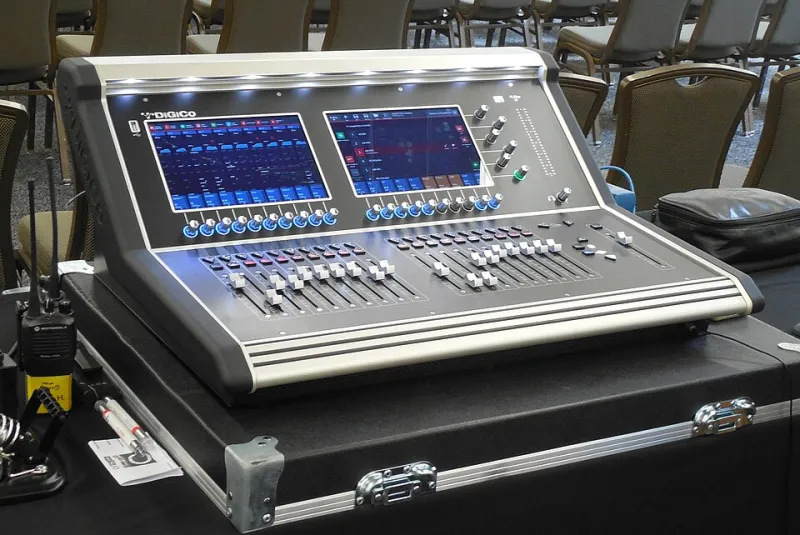
Photo: Niranjan Arminius, CC BY-SA 4.0, via Wikimedia Commons
There is a moment in almost every 2026 mix review when someone in the room stops the playback, pulls out a phone, and asks the question that would have gotten them laughed at five years ago: how does it sound in earbuds?
That question is now shaping how some of the year’s most talked-about shows are built. Not just checked. Built. Re-recording mixers are cutting alternate passes for headphones, showrunners are weighing dialogue intelligibility on a bus before they weigh it in a theater, and delivery specs are starting to include a line item that used to be an afterthought: ear-first mix.
The Room Still Matters. The Listener Doesn’t Live There.
The traditional mix stage is still the cathedral. It is where the low end gets sorted, where score and effects are balanced against dialogue, and where a show earns its theatrical polish. But the audience for prestige TV in 2026 is not sitting in a calibrated room. They are on a train, at a desk, on a couch with a laptop propped on a cushion, or walking a dog while a phone sits in a jacket pocket.
‘We used to mix for the worst speaker in the house,’ says Marisol Vega, a re-recording mixer who has worked on drama and documentary series for streaming and cable. ‘Now we mix for the best earbuds on the bus. Those are not the same job.’
Vega is not exaggerating. The ear-first pass is a separate discipline. It asks mixers to keep dialogue anchored without flattening the performance. It asks them to let music breathe without letting it swallow a whispered line. And it asks them to treat silence as a deliberate texture rather than empty space waiting to be filled.
The Dialogue Is the Star, Again
The most common note in an ear-first mix is not ‘louder.’ It is ‘closer.’ Headphone listening exposes everything: room tone, mouth noise, the faint seam between an ADR line and a production line, the way a score cue can crowd a consonant. Mixers who once leaned on a center channel to carry dialogue are now building a more intimate center image that survives a mono earbud.
‘On a soundbar, you can hide a lot in the subwoofer,’ says one supervising sound editor who asked not to be named because their current show is still in delivery. ‘On a phone, there is no subwoofer. There is no hiding. The earbud tells the truth.’
That truth has changed how dialogue is prepped. Production mixes are being cleaned earlier. Score composers are being asked for alternate stems that sit further back in the midrange. Effects editors are being told that a monster roar cannot be the only thing carrying a scene if the viewer is listening at 40 percent volume in a coffee shop.
The Pushback Is Real
Not everyone loves the shift. Broadcast veterans argue that mixing for earbuds risks making shows sound thin on a proper system. They worry about dynamic range collapsing into a polite puddle, about the cinematic low end getting sanded down for the sake of a laptop speaker, about an entire generation of sound designers learning to mix for distraction instead of attention.
‘You are not making a movie anymore,’ one veteran post supervisor told me, only half joking. ‘You are making a ringtone with a plot.’
But the ear-first crowd pushes back with a practical point: the living room is no longer the default. Streamers’ own dashboards show that a huge share of viewing happens on phones, tablets, and laptops. A show that sounds muddy on a commute is a show that loses the viewer before the second act. The ear-first pass is not an replacement for the broadcast mix. It is insurance.
The New Line Item
In 2026, several production companies are writing a headphone review into their post schedule the same way they write in a color pass or a QC check. The mix team delivers the standard 5.1 or Atmos version, then delivers an ear-first alternate that can be used for streaming, social cutdowns, and airline edits. The best showrunners are not treating it as a technical afterthought. They are sitting in on the headphone pass and giving notes.
‘I want to know what the show feels like when someone is holding a phone six inches from their face,’ says showrunner Dana Reyes, whose 2026 limited series has become a word-of-mouth hit. ‘That is not a lesser experience. That is the experience for a lot of people.’
Reyes says the most surprising note from the ear-first mix was about silence. ‘We had a scene where two characters stop talking. In the big mix, the room felt alive. In the headphones, it felt like the show had dropped out. We had to rebuild the silence so it had weight. That was a craft lesson, not a technical one.’
What Crews Should Steal
The ear-first workflow is not a secret recipe. It is a set of habits. Check the mix on actual earbuds, not just the stage’s reference headphones. Listen on a phone speaker with the volume at half. Listen in a car. Listen with one earbud in, because that is how half the audience is watching. Label stems clearly so the alternate pass does not become a forensic exercise. And protect the dialogue before protecting the boom.
The best-sounding show of 2026 might not be the one that rattles your living room. It might be the one that makes a whispered conversation land while you are standing in line for coffee, one earbud in, phone in your hand, wondering how they got the silence to feel so loud.
That is the new reference. Not the soundbar. The commute.